
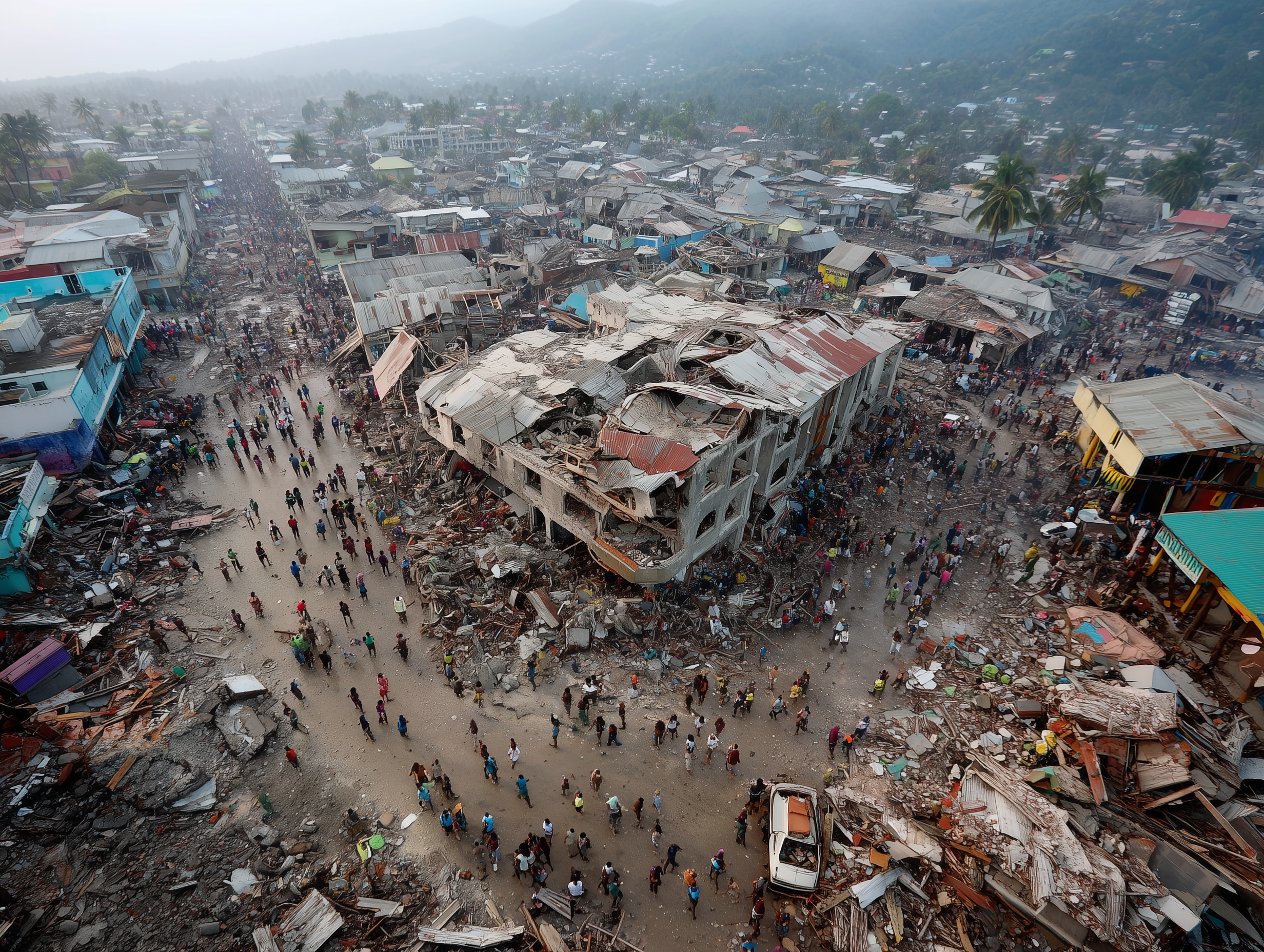
Vanuatu Earthquake Travel Advice for April 2026 Trips
You booked Vanuatu for reef dives, blue water, and island time. Then your feed fills with earthquake headlines and mixed hot takes.
If that sounds familiar this week, take a breath. A major earthquake near Vanuatu was reported on March 30, 2026 by multiple outlets, including Reuters coverage citing seismic monitoring agencies. That kind of headline is unsettling, especially if your flight is coming up fast.
Here is the practical version of what you need to know right now: Vanuatu remains a destination where most governments still advise normal or standard precautions, but local conditions can change quickly after a significant seismic event. Your safest move is not cancel-everything panic or ignore-everything optimism. It is a quick, structured pre-trip check.
This guide walks you through exactly that.
What happened, and why travelers are paying attention
On March 30, 2026, a strong earthquake in the Vanuatu region was widely reported, with early magnitude estimates around 7.0 to 7.3 depending on source and timing of updates. Initial public reporting indicated no broad tsunami threat, but aftershocks and localized infrastructure stress are normal concerns after an event of this size.
Vanuatu sits on the Pacific Ring of Fire, so seismic activity is not unusual. What matters for travelers is not just the headline magnitude. It is the downstream impact on:
- airport and inter-island transport reliability
- ferry schedules and port operations
- resort and guesthouse building integrity
- communications and medical response capacity
- road access to more remote islands and attractions
So if your question is, “Is it safe to go?” the better question is: “Is my exact itinerary still realistic and manageable this week?”
Current advisory snapshot from major governments
As of this writing, publicly available travel advice from major English-language government sources indicates broad caution, but not blanket “do not travel” positioning for Vanuatu.
Australia (Smartraveller)
Smartraveller guidance for Vanuatu has been shown at a normal-precautions level, while still warning travelers about cyclone season conditions, weather disruption, and local hazard risk.
Canada (Travel Advice and Advisories)
Canada’s destination page has presented Vanuatu at a “take normal security precautions” level, while noting petty crime, occasional public disturbances, natural disaster exposure, and practical health planning.
United Kingdom (FCDO)
The UK FCDO destination guidance continues to emphasize risk-aware planning, insurance, and transport disruption monitoring, including broader regional disruption effects that can cascade into routing changes.
United States (State Department country page)
The U.S. country information page for Vanuatu focuses on entry logistics, safety practices, crime precautions, and emergency support limitations, with consular support routed via Port Moresby.
Bottom line: No major source above currently signals a blanket closure scenario for ordinary travel plans, but all of them imply the same traveler responsibility: stay flexible, informed, and properly insured.
What this means for your trip if you are flying soon
If you are traveling to Vanuatu in the next 1 to 3 weeks, this is the decision framework that works best.
1) Confirm operations, not just bookings
A booking confirmation email does not prove normal operations on the ground.
Ask your airline and accommodation provider these exact questions:
- Is your operation currently full schedule, reduced schedule, or rolling updates?
- Have you moved any guests because of building checks or repairs?
- Are airport transfers and ferry links currently running on time?
- Is there any island or district where you recommend postponing non-essential travel?
2) Build a conservative transit plan
Vanuatu itineraries often involve multi-leg movement. Add buffer time between:
- international arrival and domestic connection
- inter-island ferry and onward hotel check-in
- final island departure and long-haul return flight
A missed connection in a remote island chain is more than a nuisance. It can add extra accommodation costs and compress your contingency options.
3) Re-check your insurance wording before departure
After a major event, policy details matter more than policy marketing.
Review your policy for:
- trip interruption and delay coverage triggers
- accommodation extension costs if transport is disrupted
- emergency medical and evacuation benefits
- exclusions around known events and timing of purchase
If your policy language feels vague, request written clarification from your insurer before you board.
On-the-ground risk picture: practical, not dramatic
Most travelers in Vanuatu will still experience what they came for: beaches, diving, volcano views, and local hospitality. The point is to travel with earthquake-aware habits for this period.
Accommodation safety checks
When you arrive:
- ask staff whether a structural inspection was completed after the quake
- note emergency exits and assembly points immediately
- keep shoes, a charged phone, and a small flashlight accessible overnight
Coastal and water activities
Even when tsunami alerts are not active, maritime conditions can be unpredictable after significant seismic activity.
- follow local operator guidance for dive and boat departures
- do not improvise independent coastal trips in unfamiliar zones
- check marine and weather updates each morning, not once per trip
Communications and cash resilience
Island infrastructure can be patchy on normal days. After seismic events, small disruptions can ripple.
- carry offline copies of hotel confirmations and passports
- keep a reserve of local-accessible payment options
- avoid relying on one ATM or one card channel
Common traveler mistakes after a major earthquake
These are the patterns that cause avoidable stress.
Mistake 1: Trusting social media clips over local operators
A viral video can be real and still irrelevant to your itinerary. Verify with your own carrier, hotel, and local provider.
Mistake 2: Booking a rigid island-hopping schedule
Over-optimized itineraries break first when disruptions appear. Keep your must-do list short and your schedule adaptable.
Mistake 3: Assuming all islands are affected equally
Vanuatu is an archipelago, not one uniform destination. Conditions can differ significantly between islands and even between districts.
Mistake 4: Waiting to think about insurance until a delay happens
Coverage works when arranged and understood in advance. Once disruptions are active, your options narrow quickly.
A smart 15-minute pre-departure checklist
Use this 24 to 48 hours before your outbound flight.
- Check Vanuatu advisories from your government source and one alternate source.
- Reconfirm every transport leg, especially domestic and ferry segments.
- Message your accommodation about post-quake operations and local access routes.
- Download offline maps and store emergency contacts in your phone and on paper.
- Re-read policy sections on delays, interruption, medical care, and evacuation.
- Pack a small resilience kit: flashlight, power bank, basic first aid, refillable water bottle.
- Save local embassy or consular contact channels relevant to your nationality.
If you are already in Vanuatu right now
If you are reading this from Port Vila, Luganville, or another island in-country, your priorities are straightforward.
- Follow local authority updates first.
- Respect aftershock guidance from accommodation staff and tour operators.
- Avoid rumor-based route changes unless confirmed by official channels.
- Keep family or travel companions updated with one shared daily status check-in.
If a location is temporarily inaccessible, switch to a nearby lower-logistics plan instead of forcing the original schedule. This is where flexible bookings and clear insurance documentation can save the trip.
Is now the wrong time to travel to Vanuatu?
For many travelers, not necessarily.
A better way to frame it: Vanuatu may still be a reasonable trip if you travel with current information, realistic timing, and solid contingency planning. If you need certainty down to the hour and zero operational risk, postponing may be the more comfortable choice.
Travel risk is rarely binary. It is usually a spectrum, and your tolerance matters:
- Are you comfortable with possible schedule adjustments?
- Can you absorb an extra night or two if transport shifts?
- Did you buy coverage that matches your real itinerary?
If your answers are yes, you can likely proceed with a calm, prepared approach.
Where Sitata fits into this kind of trip
Major disruptions are exactly where travel intelligence and good insurance planning earn their keep. Before you depart, review your coverage and use live safety updates so you can react early rather than scramble late.
If you want a single place to organize that prep, start with Sitata’s resources on travel insurance for your trip and travel safety products, then tailor your plan to your route and activities.
Final call: calm beats chaos
Post-earthquake travel decisions are emotional. That is normal. You imagined this trip one way, and now uncertainty is part of the plan.
The travelers who handle this best are not fearless. They are methodical. They ask better questions, pad their schedules, and keep contingency cash and coverage in place. They also know when to simplify, even if that means dropping one island or one excursion.
Vanuatu remains one of the most compelling island destinations in the Pacific. Coral reefs, volcanic landscapes, and deeply warm local hospitality are still there. The difference this week is that preparation matters more than usual.
Do the checks, keep your plan flexible, and travel with situational awareness. That is how you turn a stressful headline week into a trip that is still memorable for the right reasons.