Hawaii Tropical Storm 2026: What Travelers Need to Know
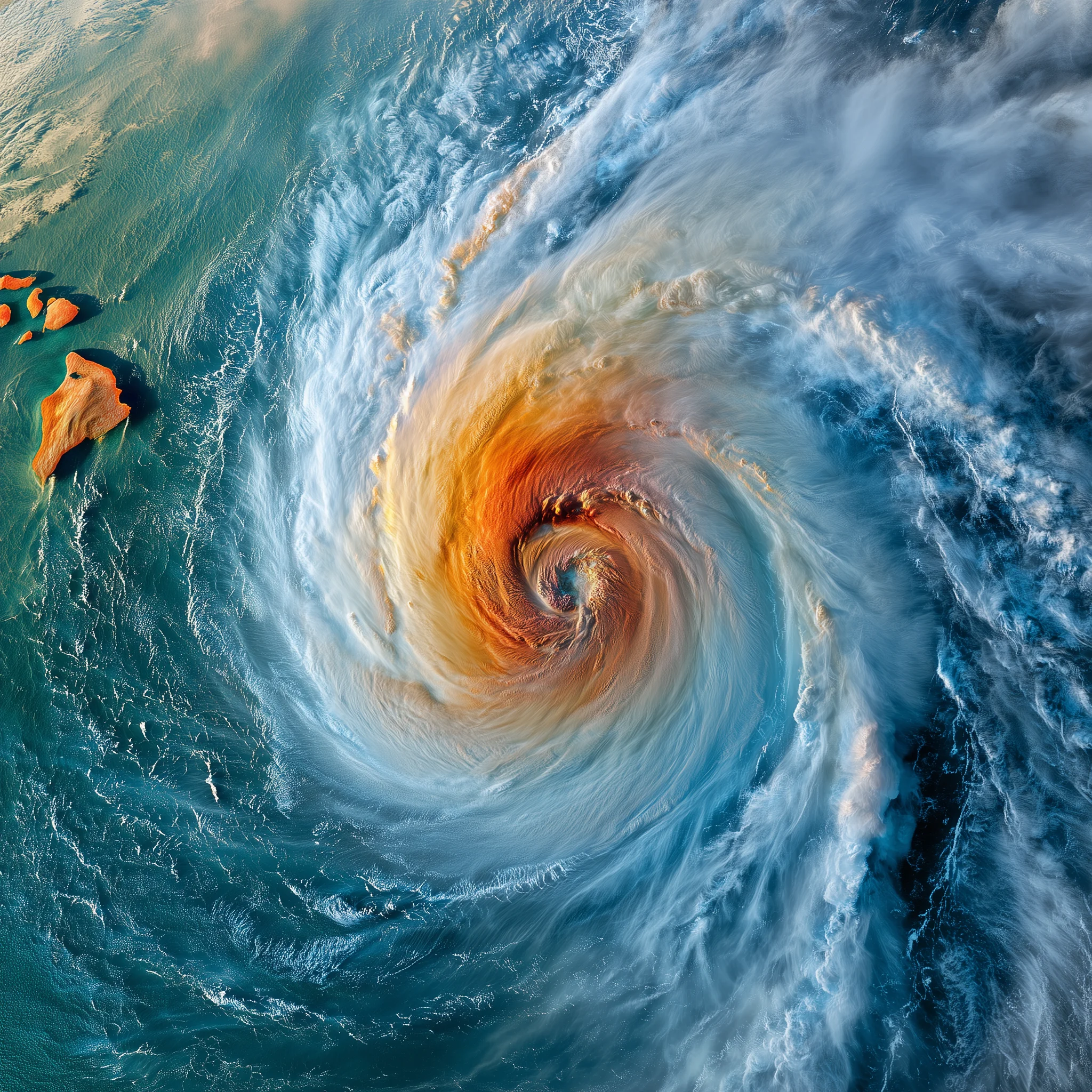
The forecast maps started filling with color on Wednesday. By Thursday morning, every major news outlet covering the Pacific was pointing at the same cluster of clouds east of the Hawaiian Islands - a system the National Hurricane Center has officially designated Potential Tropical Cyclone One-C - and the timing could not be worse for travelers.
If you have a trip to Hawaii planned for this weekend or early next week, this post is for you. Here is what is happening, which airports are at risk, what the airlines are offering, and exactly what your travel insurance will and will not cover.
What is happening right now
One-C is a broad area of low pressure east of the islands that has been organizing steadily since midweek. The National Hurricane Center is issuing regular advisories and currently forecasts the system to strengthen into a strong tropical storm as it moves west-northwest through the island chain.
The storm’s timing has been consistent across the last several forecast cycles. Here is the current expected timeline:
- Friday, August 14 - Heavy rainfall begins on the Big Island
- Saturday, August 15 - Rain spreads to Maui
- Sunday, August 16 - Lanai, Molokai, Oahu, and Kauai see the worst conditions
Forecasters at the NWS Honolulu office and national outlets are warning of 5 to 10 inches of rain across much of the island chain, with isolated totals up to 20 inches. That volume of water falling on Hawaii’s steep volcanic terrain means flash flooding is a genuine concern - not just a weather-app warning. The Washington Post’s weather team is describing the flooding potential as “life-threatening” in the hardest-hit areas, and the Big Island and Maui are currently flagged as the areas of greatest concern.
The system is also expected to bring damaging winds and dangerous surf. For travelers, the surf matters less than the wind and rain, because those are what close airports.
Which airports are at risk
All four of Hawaii’s main commercial gateways fall inside the forecast impact zone:
- Daniel K. Inouye International Airport (HNL) on Oahu
- Kahului Airport (OGG) on Maui
- Kona International Airport (KOA) on the Big Island
- Lihue Airport (LIH) on Kauai
Hilo International Airport (ITO) on the Big Island’s east side is also worth watching, given the island takes the first hit on Friday.
History is instructive here. When tropical systems pass through Hawaii, airports rarely stay open through the worst of it. Wind gusts above 40 knots, reduced visibility from rain, and flooded aprons are enough for airlines to suspend operations even when the runways themselves are undamaged. In past events - including Tropical Storm Hone in August 2024 - carriers issued waivers and preemptively cancelled inter-island and mainland flights before the worst conditions arrived.
What the airlines are offering
Airlines do not wait for a storm to make landfall before acting. Waivers typically appear 48 to 72 hours ahead of expected impacts, and that is exactly what we are seeing now.
American Airlines has published a travel alert covering HNL, OGG, KOA, and LIH. Passengers booked on American flights to or from those airports - in any fare class, including Basic Economy - can rebook without change fees, provided the ticket was purchased by August 11, 2026. The waiver covers travel during the affected window, and rebooked travel can usually be scheduled within a defined period after the storm passes.
Hawaiian Airlines has activated its flexible travel policy page, which is the carrier’s standard mechanism for storm waivers. Expect change-fee waivers for flights to, from, or through the affected airports, and check the policy page directly for the specific travel dates covered.
Other carriers - United, Delta, Southwest, and Alaska - typically follow within hours of the NHC advisory cycle. If your airline has not yet posted a waiver, check its travel alerts page twice daily. Waivers are often expanded as the forecast sharpens, and the earlier you act, the more rebooking options you will have.
A few practical notes on airline waivers:
- Waivers let you change your itinerary without the usual change fee, but fare differences may still apply
- Rebooking before the storm hits is almost always better than waiting for a cancellation
- If your flight is cancelled outright, the airline must rebook you or refund you - that is a legal right, not a courtesy
- Inter-island flights (think Hawaiian Air and Southwest between HNL, OGG, KOA, and LIH) are typically the first to be suspended and the slowest to resume
What your travel insurance covers
This is where trip interruption and trip cancellation coverage earns its keep. Here is the honest breakdown of what a standard comprehensive travel insurance plan will and will not do in a situation like this.
Trip cancellation covers you when you cannot start your trip at all. If the storm causes a mandatory evacuation, your accommodations become uninhabitable, or your airline cancels your outbound flight and no reasonable rebooking exists, cancellation coverage can reimburse your prepaid, non-refundable trip costs.
Trip interruption covers you when you are already on the trip and have to cut it short or change plans. If you are in Hawaii when the storm arrives and your resort closes, or your return flight is cancelled and you need extra nights of lodging, interruption coverage can step in. This is the coverage travelers in Hawaii this weekend will most likely need.
Trip delay is the other relevant piece. If your flight is delayed for a covered reason - and severe weather is a classic covered reason - trip delay coverage reimburses reasonable extra expenses like meals and hotel nights, usually after a delay threshold (commonly 6 or 12 hours) is met.
The key distinction travelers miss: a voluntary change is not a covered claim, but a forced disruption often is. If you decide to leave early because you are worried, that is usually on you. If the airline cancels your flight or your hotel is uninhabitable, that is typically covered. The line matters, so if you are considering a voluntary change, check whether your policy’s “cancel for any reason” upgrade is in place before you act.
One more thing worth knowing: weather-related coverage is triggered by the actual event, not the forecast. A storm warning does not create a claim; a cancelled flight, closed accommodation, or mandatory evacuation does.
Inter-island travelers should pay extra attention. The short hops between HNL, OGG, KOA, and LIH are operated with smaller aircraft and tighter schedules, which makes them the first flights to be suspended and the last to resume. Hawaiian Airlines and Southwest both run dense inter-island networks, and when the wind picks up, the schedule collapses quickly. If you are island-hopping this weekend, book your inter-island legs for the earliest possible time on Friday, and keep buffer days between islands if your itinerary allows.
What not to do: do not wait until you are at the airport to sort out rebooking - by then the app queues are hours long. Do not assume a refund means cash; most waivers offer credit or rebooking rather than money back. Do not ignore flash flood warnings because the sun is out; in Hawaii, rain in the mountains can flood coastal roads with no warning. And do not cancel a prepaid, non-refundable trip on a forecast alone - wait for an actual disruption so your insurance claim has a real event to attach to.
What to do if you are flying this weekend
The next 48 hours will tell the real story, and you can use them well. Here is a practical checklist.
If your trip starts this weekend:
- Check your airline’s travel alert page every 12 hours - waivers expand as forecasts firm up
- Download your airline’s app and enable notifications; airlines message rebooking options to the app first
- Review your travel insurance policy and save the emergency assistance number in your phone
- Do not book non-refundable extras (tours, luaus, helicopter rides) for the storm window
- Have a backup plan for where you will stay if your arrival is delayed - including which airport you would divert through
If you are already in Hawaii:
- Monitor NWS Honolulu and the National Hurricane Center directly - local news is slower than the official sources
- Move your plans away from flood-prone areas; flash flooding in Hawaii is fast and frequently understated
- Keep your passport, medications, and valuables in a waterproof bag near your door
- If your accommodation is coastal or in a flood zone, ask management about their storm plan
- Save your insurance assistance line and your airline’s rebooking number before the power or cell service gets shaky
If your trip starts next week:
- Hold off on any voluntary changes until the storm passes - forecasts this far out are still shifting
- Watch for travel advisories; airlines often add rebooking windows after the fact
- Consider trip delay coverage if your schedule is tight - the ripple effects of a weekend storm can last into midweek
- Check road conditions if you have a rental car booked - flash flooding can close the Hana Highway and other coastal routes for days
The bottom line
A strong tropical storm is headed for Hawaii this weekend, and the smartest travelers are acting now - not Sunday. Check your airline waivers, understand exactly what your travel insurance for your trip covers, and keep your plans flexible until the storm passes.
Hawaii has weathered tropical systems before, and the islands bounce back quickly. The airports reopen, the inter-island flights resume, and within a week the only evidence is a few extra puddles and some very dramatic surf footage. Your job between now and then is simple: know your coverage, watch the official sources, and do not wait for a cancellation notice to start thinking about your options.
Sitata members - your app is already tracking One-C and will push alerts if official advisories escalate or major disruptions are announced. For everyone else, the NHC advisory page and NWS Honolulu are the two sources to check, morning and night, until this system clears the islands.