Europe Holiday Travel Alert 2026: What Travelers Need to Know
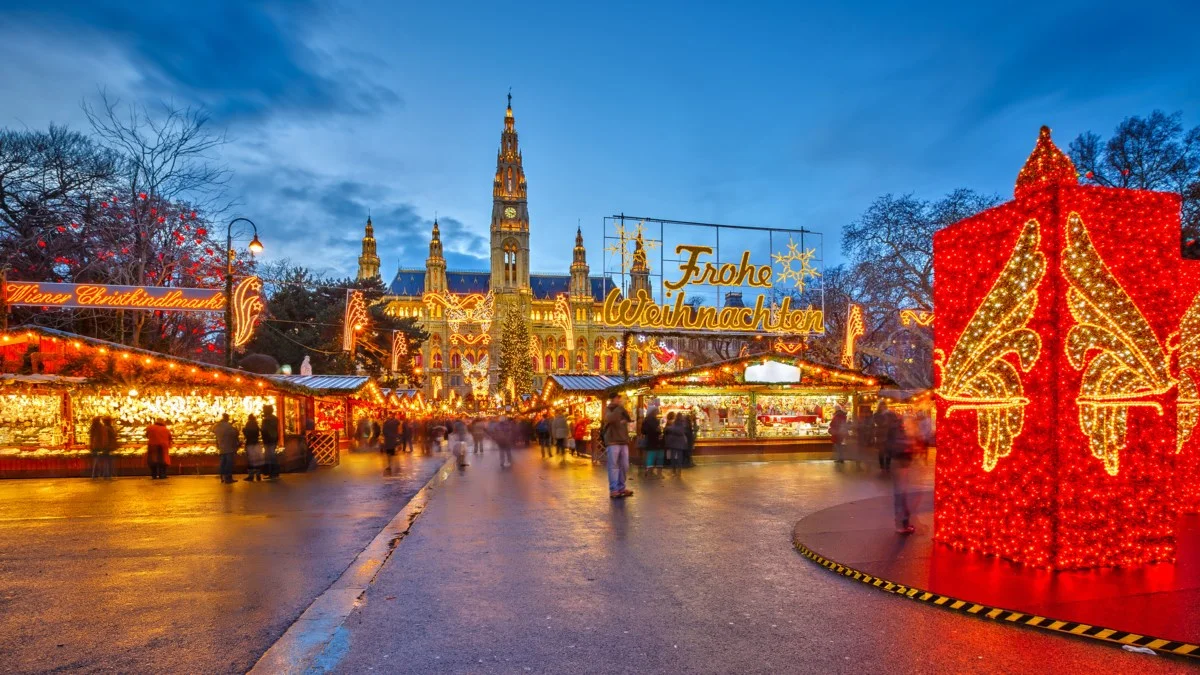
The smell of mulled wine hits you before you see the stalls. Wooden huts strung with fairy lights, the sound of Christmas carols drifting across a cobblestone square, vendors pressing warm Gluhwein into mittened hands - this is Europe’s holiday season at its most iconic. Tens of millions of travelers are planning trips to this exact scene between now and January.
The U.S. State Department wants them to plan differently this year.
On November 13, 2026, the State Department issued a coordinated Europe-wide holiday travel security alert, distributed through embassies and consulates across the continent. By November 16, follow-up alerts had been posted by the U.S. Embassy in London, the U.S. Embassy in Berlin, the U.S. Embassy in Lisbon, and multiple other missions. All carried the same core message: crowded public spaces during the holiday season - markets, transit hubs, shopping centers, and tourist attractions - present elevated opportunities for terrorist attacks and criminal violence.
This is not a “do not travel” advisory. The alert does not raise the official travel advisory level for any European country. What it does is give travelers specific, actionable information about the threat environment heading into the busiest travel season of the year. Here is what you need to know.
What the Alert Actually Says
The language across the embassy alerts is consistent. Terrorists, including lone actors, may strike with little or no warning at locations that include:
- Open-air markets and Christmas festivals - the highest-risk category mentioned explicitly in multiple embassy communications
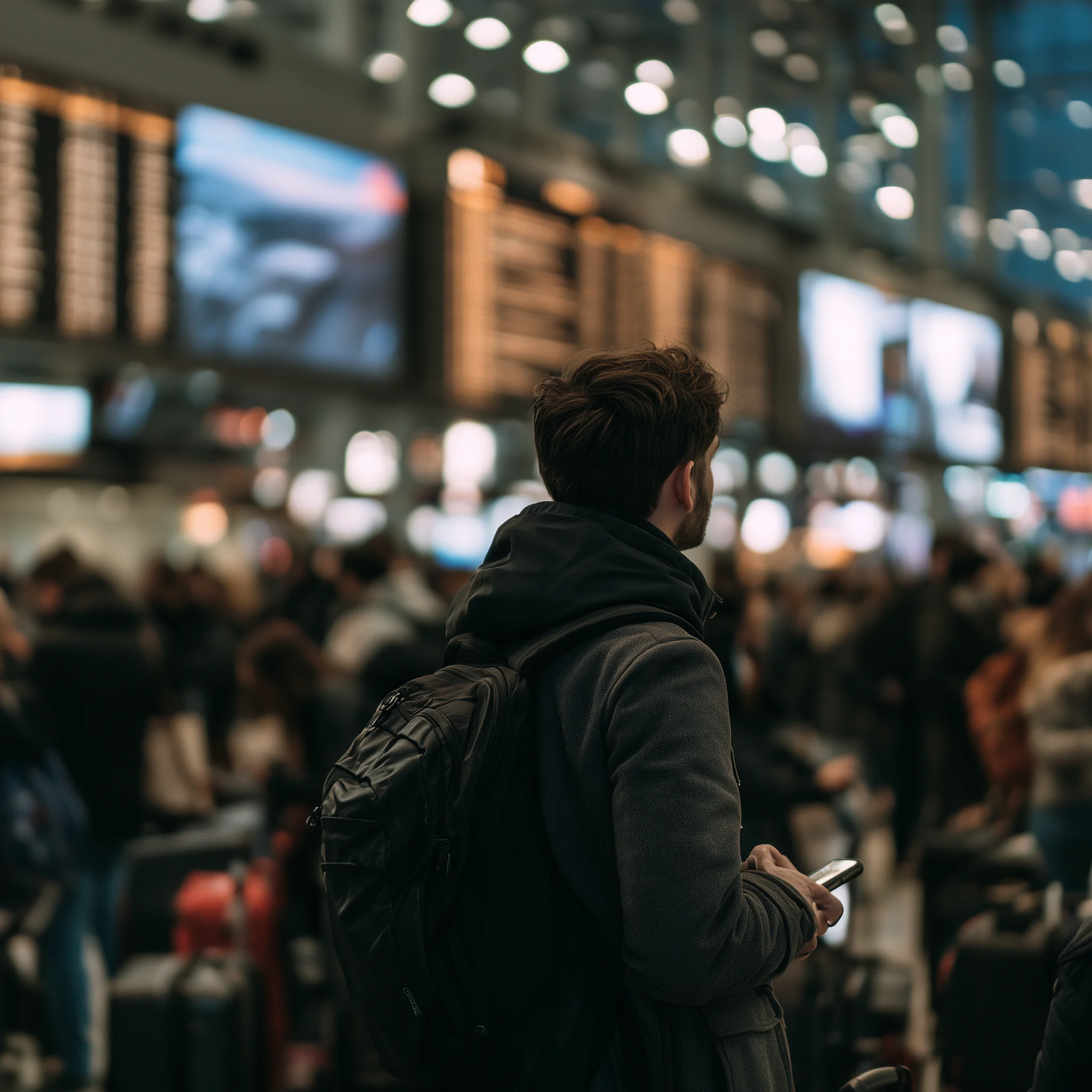
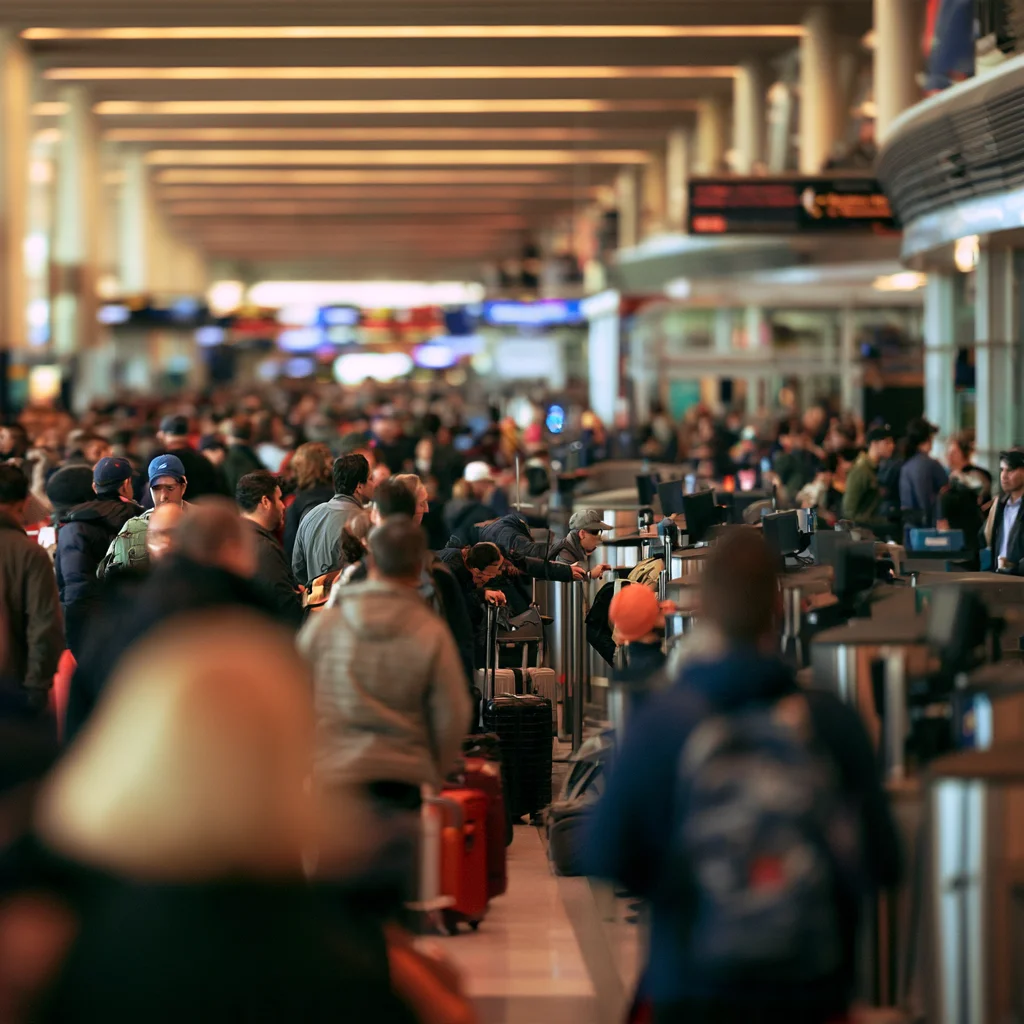
- Transportation hubs - airports, train stations, metro systems
- Shopping malls and commercial centers
- Places of worship
- Other public areas with significant foot traffic
The U.S. Embassy in Ukraine’s version of the November 13 alert added specific context that most of the others did not: it referenced the wave of hoax bomb threats that targeted civil aviation across Europe in early November as part of the broader security backdrop that informed the warnings. That connection matters for travelers to understand - and we will come back to it.
The alerts also note that strikes and demonstrations have increased in frequency across Europe in recent months, adding another layer of crowd-related disruption risk on top of the terrorism concern. Some of Europe’s major cities have seen significant protest activity through the autumn of 2026.
The practical guidance in the alerts: exercise extra vigilance, particularly at holiday events and large gatherings. Keep a low profile. Be aware of your surroundings. Secure valuables. Avoid demonstrations and areas with significant police activity.
The November Aviation Threat Wave
Before the holiday travel alerts landed, Europe’s aviation sector had just absorbed something it had not seen at this scale before.
Between November 3 and November 5, 2026, more than 34 flights across Europe received bomb threats, with some forced to make emergency landings. The scope was striking: at least 25 flights were affected in a single day, Thursday November 5. Airlines hit included Ryanair, Aer Lingus, Wizz Air, Finnair, easyJet, Aegean Airlines, Iberia, Sky Express, Air Serbia, and LOT Polish Airlines.
Countries whose flights or airports were affected: Italy, Ireland, the UK, Spain, Bulgaria, Romania, Poland, Finland, Austria, Denmark, Belgium, Portugal, France, Greece, Serbia, and Czechia. Heathrow and Birmingham airports in the UK both received threats overnight. Three Ryanair flights bound for Sofia, Bulgaria, made emergency landings. A separate Ryanair flight from Pescara to Brussels-Charleroi was inspected after the word “bomb” was scrawled on a toilet wall inside the cabin.
Every plane landed safely. No explosives were found on any aircraft.
Bomb threats emailed to airports in Rome and Sofia were signed “fighters of the Male State,” according to sources at Aeroporti di Roma and reporting by Agence France-Presse. Male State is a Russian far-right, ultranationalist movement founded in 2016 by Vladislav Pozdnyakov, a prominent supporter of the war in Ukraine. Investigators in multiple countries stressed that no evidence directly linked the threats to a hostile state actor or organized terror group, and that inquiries across Europe were ongoing.
The EU transport commissioner called any threats against civilians unacceptable. The global airlines body Iata condemned the disruption and urged authorities to identify the source. European air traffic control agency Eurocontrol noted that the affected flights represented a tiny fraction of the 27,400 flights operating across Europe that Thursday - which offers some perspective, but does not make a disrupted journey any less real for the passengers involved.
The State Department alerts issued ten days later explicitly pointed to this aviation threat wave as part of the broader threat picture travelers are heading into this holiday season.
Where the Risk Is Highest
The specific mention of Christmas markets in multiple embassy alerts is significant. These events - Cologne’s Weihnachtsmarkt, Vienna’s Wiener Christkindlmarkt, Prague’s Old Town Square market, Strasbourg’s Marche de Noel - draw millions of visitors every November and December. They are, by design, densely crowded, predictably scheduled, and open in public spaces with limited controlled access.
That combination - high foot traffic, symbolic visibility, predictable timing, limited security perimeter - is exactly what threat assessments flag as elevating risk. This does not mean these events are unsafe. They are attended by millions of people each year without incident. But it does mean that awareness and planning matter more at these venues than in a hotel lobby or restaurant.
Similarly, major transportation hubs - Paris Gare du Nord, Amsterdam Centraal, Frankfurt Hauptbahnhof, London King’s Cross and Waterloo - see dramatically elevated passenger volumes during the holiday travel surge. These are the same hub categories that experienced disruption during the November bomb threat wave.
What to Do Before and During Your Trip
The State Department alert is not a reason to cancel a European trip. It is a reason to travel more thoughtfully. Here is what that looks like in practice.
Before you leave:
- Check the advisory level for each country you plan to visit. Most of Europe sits at Level 2 - Exercise Increased Caution - which means awareness, not avoidance. You can search at travel.state.gov or check your own government’s equivalent (UK FCDO at gov.uk/foreign-travel-advice, Australia’s Smartraveller at smartraveller.gov.au, or Canada at travel.gc.ca).
- Register with your government’s travel registry. The U.S. STEP program, Canada’s Registration of Canadians Abroad, Australia’s Smartraveller registration, and the UK FCDO’s travel registration all allow your government to contact you if conditions deteriorate.
- Download offline maps for the cities you plan to visit. If a transportation hub closes unexpectedly and you need to find an alternate route on foot, you do not want to rely on a data connection that may be overwhelmed.
- Share your itinerary with someone at home. Five minutes. Worth it.
At Christmas markets and crowded events:
- Know where the exits are when you arrive. This takes 30 seconds and you will almost certainly never need it - but do it anyway.
- Stay away from the center of large crowds when possible. The edges of a market or gathering are easier to leave quickly if something happens.
- Keep your phone charged. The first thing you will want to do in an emergency is call or message someone.
- Follow official guidance immediately if police give instructions to evacuate or disperse. Do not wait to see what others around you are doing.
At transportation hubs:
- Build buffer time into itineraries at major transit points. The November bomb threat wave showed that even verified hoaxes can delay trains and flights by hours.
- Sign up for airline and rail alerts. Most major European carriers and national rail services offer real-time SMS or app notifications for disruptions. Ryanair, Aer Lingus, easyJet, Eurostar, and Deutsche Bahn all have solid apps worth having installed before you depart.
- Have an alternate plan for key connections. Know which bus or taxi option covers your route if a train or airport rail link goes down.
How Travel Insurance Fits In
The specific scenarios that the State Department alerts describe - disrupted transportation, security incidents, potential evacuation situations - sit squarely in the coverage territory of a comprehensive travel insurance policy.
What is typically covered:
If your flight is delayed due to a security incident - including a bomb threat that turns out to be a hoax - most travel insurance policies that include trip delay coverage will cover meals, accommodation, and rebooking costs above a certain delay threshold. The November aviation disruptions caught many travelers unprepared; several passengers on diverted flights spent unplanned nights at unfamiliar airports with no assistance and no coverage.
If a security incident forces you to change or cut short your plans after you have arrived, trip interruption coverage applies. This is distinct from trip cancellation, which covers you before departure.
Emergency medical and evacuation coverage applies if you are injured in an incident or if evacuation becomes necessary. This is the category that matters most if the worst happens.
What is typically not covered:
Cancelling your trip because a security alert made you anxious - without a formal “do not travel” advisory in place - is generally not a covered cancellation reason. The alerts issued this week are Level 2 advisories: increased caution, not “do not travel.” If you want cancellation flexibility regardless of the advisory level, look for a policy with “cancel for any reason” (CFAR) coverage, which typically reimburses up to 75% of prepaid trip costs.
The right policy pairs coverage with information - knowing when conditions change at your destination before you land, not after you have already arrived. Sitata’s travel insurance plans integrate real-time safety alerts with your coverage so you are not reading about a disruption from an airport departure board.
A Final Word on the Decision to Go
Cologne’s Christmas market is one of the genuinely magical public spaces you will find anywhere in the world in December. Vienna at Christmas is as beautiful as travel photography promises. Prague’s Old Town Square under early-December snow is not a cliche - it earns it.
Go. Just take five minutes to plan like someone who has read the alerts:
- Keep the local emergency number saved. Across most of Europe, 112 is the universal number for police, fire, and ambulance
- Have your government’s consular contact saved. In a genuine emergency, your embassy or consulate is your fastest route to official assistance
- Travel with a fully charged power bank, especially at markets and open-air events where outlets are nowhere nearby
- Monitor news during your trip. Setting a Google Alert or following your government’s travel advisory feed takes under two minutes and means you are not the last to know
The threat environment this holiday season is elevated but not exceptional. Europe has dealt with this category of risk for a decade. The infrastructure, the security services, and the emergency response systems are all calibrated for it. What you can do is travel informed, stay flexible, and have a plan.
That is what smart travelers have always done.
Track real-time safety alerts for every destination on your itinerary with the Sitata app. When conditions change, you hear about it before it affects your trip.