Hajj 2026 Travel Safety Guide: Health, Heat, Crowds, and the US-Iran Conflict
You can feel it even before you land in Jeddah - this is not a regular trip. Hajj 2026 travel safety planning means preparing for one of the largest annual gatherings on earth, where logistics, weather, health, and timing all matter at once.
Millions of pilgrims move through the same route over a few intense days. Saudi authorities continue to expand infrastructure and services, but your personal preparation still makes a huge difference. If you are planning to perform Hajj in 2026, here is what to know now and what to do before you leave home.
Why Hajj planning in 2026 needs extra attention
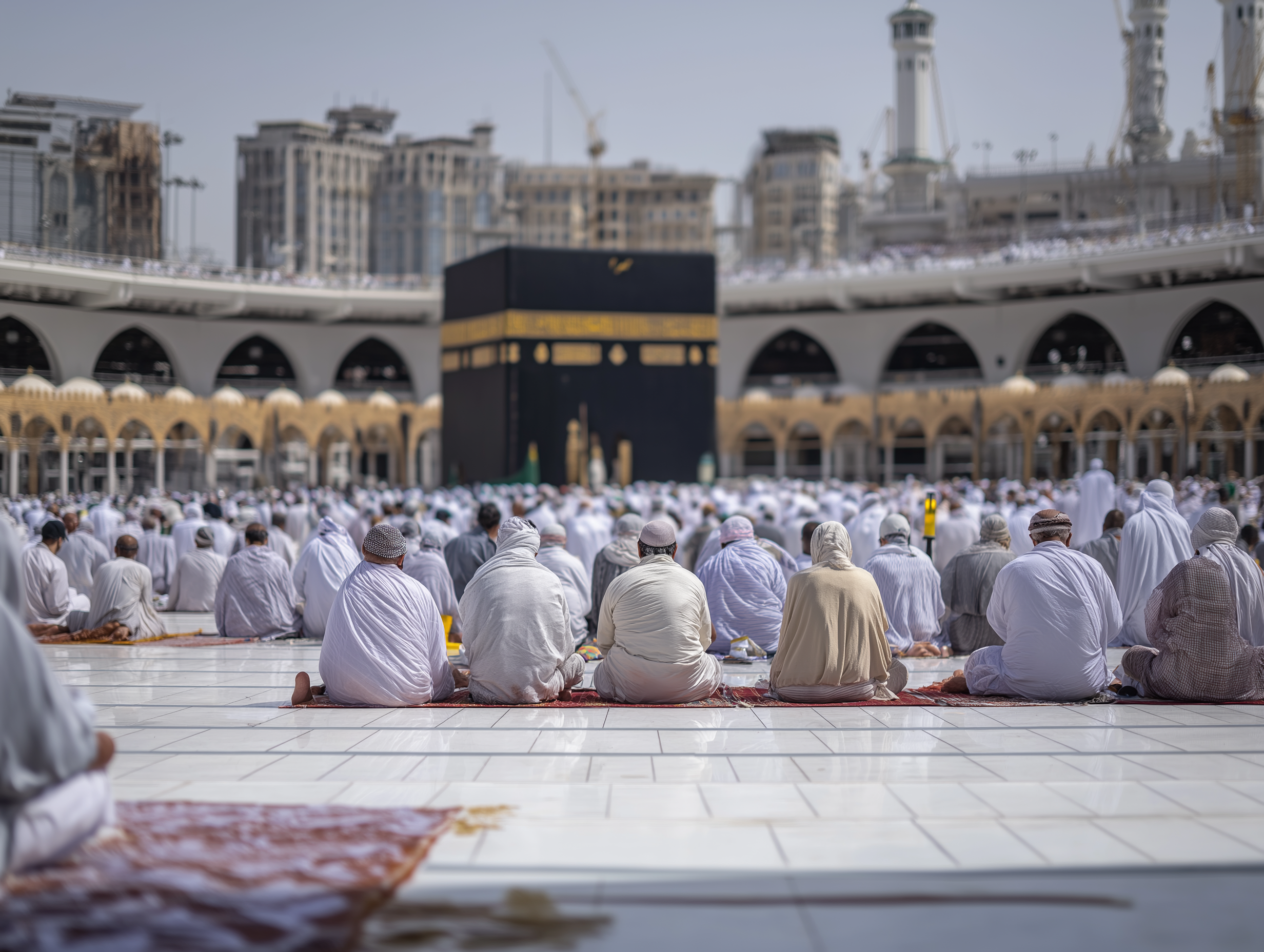
Hajj is always physically demanding. Pilgrims spend long periods walking, standing, waiting in dense crowds, and moving between Mina, Arafat, Muzdalifah, and Makkah. The CDC Yellow Book describes the route as a high-risk environment for heat-related illness, dehydration, and respiratory spread, especially when temperatures spike.
Scale is part of the challenge. Saudi Arabia’s General Authority for Statistics (GASTAT) reported 1,673,230 pilgrims for Hajj 2025, including over 1.5 million international pilgrims. That number tells you exactly what your trip will involve - large flows of people, transport bottlenecks, and a lot of time outdoors.
Security context matters too. The current US-Iran war creates another layer of uncertainty while many travel insurance programs have discontinued coverage to the region.That does not mean Hajj is impossible. It means you should build a practical backup plan before departure and read the fine print of your insurance policy very carefully.
Hajj 2026 dates and timing
Hajj follows the lunar calendar, so Gregorian dates shift each year and are finalized around moon sighting. Most travel operators are currently planning around late May to early June 2026 windows.
What should you do with that uncertainty?
- Keep flights and accommodation flexible where possible
- Build buffer days on both ends of your itinerary
- Avoid tight onward connections right after core Hajj days
- Confirm final package logistics with your operator as soon as official timing is announced
If you are coordinating leave from work, childcare, or connecting flights from another country, this is the section where most travelers get caught out. Build slack into your schedule now, not at the airport.
Health requirements and vaccines for Hajj 2026
Always confirm requirements with your Hajj operator and official Saudi channels before travel. Requirements can change quickly for mass gatherings.
That said, some health requirements have been consistent in recent years:
1) Meningococcal ACWY vaccination is essential
Saudi authorities have long required proof of quadrivalent meningococcal vaccination for Hajj and Umrah travelers. CDC travel guidance also emphasizes this requirement and timing.
Action: do not leave this for last minute. Schedule your vaccination early enough for validity windows and documentation checks.
2) Destination-specific vaccines may apply
Depending on your origin or transit route, additional requirements can include polio or yellow fever documentation. Routine travel vaccines should also be up to date.
Action: book a travel clinic appointment 6 to 8 weeks before departure, earlier if you have chronic health conditions.
3) Respiratory illness risk is real in crowded settings
In 2024, public health reporting in the US, UK, and France documented invasive meningococcal cases associated with Umrah travel. This is a useful reminder that close-contact environments can accelerate transmission.
Action: bring high-quality masks for crowded indoor spaces and transport hubs. Wash or sanitize hands often, and carry your own essentials.
Heat and hydration: the risk most pilgrims underestimate
Heat is not just uncomfortable during Hajj. It can become dangerous quickly.
Recent Hajj seasons have shown how fast heat stress can escalate, especially for older travelers and people with underlying conditions. During the 2024 season, Saudi officials reported more than a thousand heat-related deaths among pilgrims. Even fit travelers can run into trouble if hydration, shade, and pacing are ignored.
Your practical heat plan
- Drink water regularly, not only when thirsty
- Use oral rehydration salts for long days outdoors
- Wear loose, breathable clothing appropriate for the climate and rites
- Use an umbrella for shade where practical
- Move slowly during peak afternoon heat
- Know early warning signs: headache, dizziness, nausea, confusion, unusual fatigue
If symptoms appear, stop, cool down, hydrate, and seek medical help early. Waiting too long is where minor heat exhaustion turns into an emergency.
Crowd movement and transport safety
Crowd pressure is one of the biggest stress points during Hajj. Pilgrims who do best usually follow the same approach: they plan routes early, stay patient, and avoid rushing.
Tips that reduce avoidable risk
- Stay with your assigned group whenever possible
- Save your accommodation location in offline maps
- Keep your ID, visa copy, and emergency contacts on your person
- Use a small card in your language and Arabic with hotel and group details
- Pick a clear meeting point in case your group gets separated
- Wear comfortable, broken-in footwear. Blisters can derail the entire journey
Transport delays are common during peak movement windows. Pack enough medication, water, snacks, and phone battery to handle long waits.
Security and disruption planning
Current advisories from major governments highlight the potential for regional escalation, drone or missile debris risks, and sudden transport disruptions. You may never encounter any direct incident, but planning for disruption is part of responsible pilgrimage preparation.
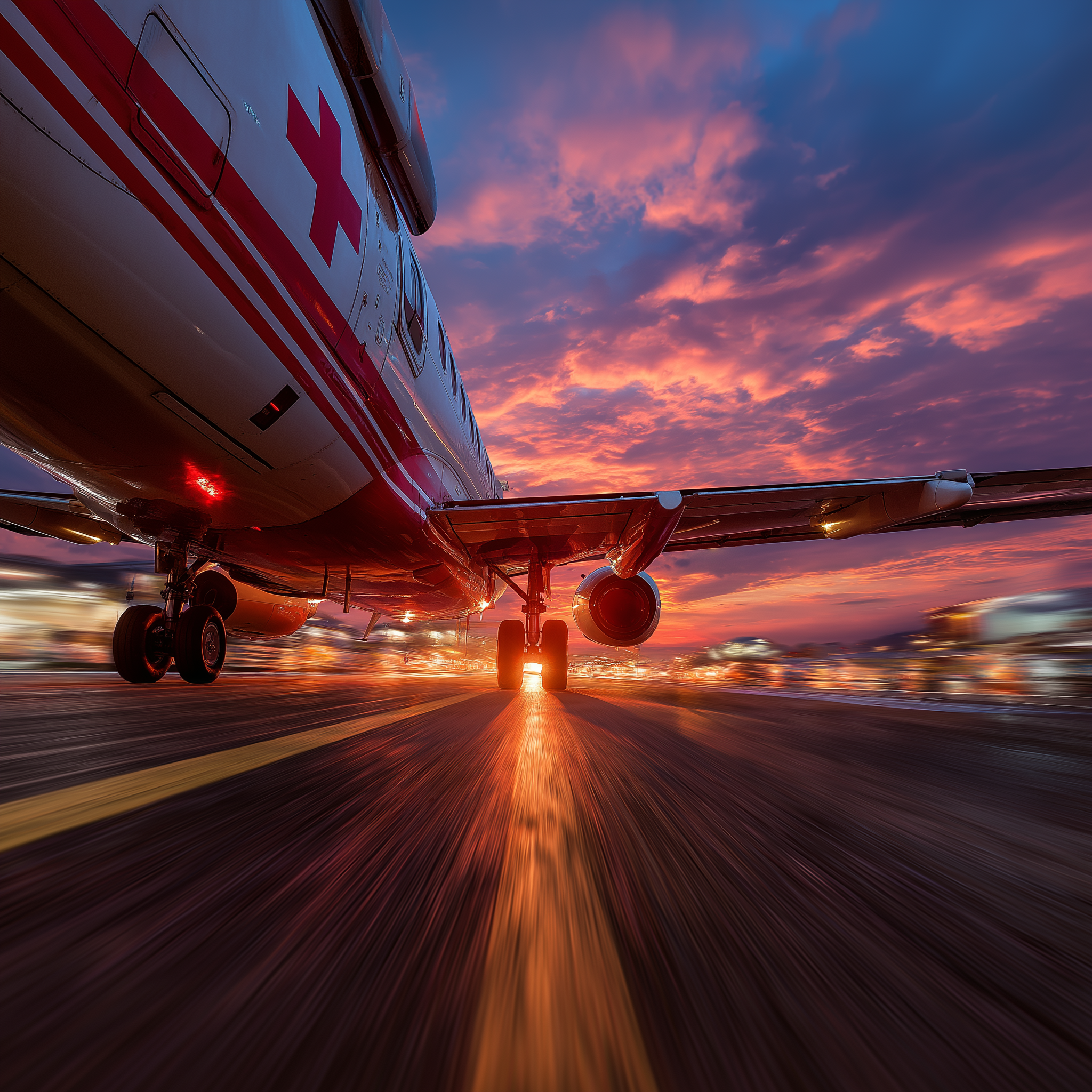
The current US-Iran war adds another layer of uncertainty for pilgrims traveling through or near Gulf airspace. Recent reporting and government advisories point to risks such as short-notice airspace changes, rerouted flights, embassy security alerts, and temporary disruption to airports and critical infrastructure across the region. Saudi Arabia has also faced periods of cross-border strike risk in recent escalation cycles, which is why travelers should expect plans to change quickly even when Hajj operations continue.
Build a disruption-ready checklist
- Register with your embassy consular service if available
- Share full itinerary and passport copy with a trusted contact at home
- Track airline alerts and keep your app notifications on
- Keep some funds accessible outside your main card
- Store digital and paper copies of travel documents separately
- Know your operator’s emergency phone line before departure
Think of this as resilience planning, not fear planning.
Travel insurance for Hajj: what to check before you buy
Many travelers assume any policy will work. That is risky.
Before you buy, read the wording line by line and check:
- Medical emergencies and hospitalization in Saudi Arabia
- Emergency medical evacuation and repatriation limits
- Coverage for trip interruption due to serious illness or family emergency
- Delay and baggage protection that fits your route complexity
- Existing medical conditions and declaration requirements
- Exclusions related to government advisories, war, and armed conflict
A useful baseline is to compare policy wording against what you would actually face during Hajj: heat risk, respiratory illness, long walking days, and potential schedule disruptions.
Travel Insurance for the Hajj during the US-Iran conflict
Many standard travel insurance plans exclude war and conflict-related losses. Sitata can provide options that include broader support in higher-risk scenarios, including conflict-related events, depending on policy wording, destination eligibility, and when the policy is purchased. Always verify exactly what is covered for your route and travel dates before you depart.
You can also review Sitata’s broader overview of insurance options before choosing coverage.
Packing list focused on safety, not clutter
Pilgrims often overpack clothing and underpack health items. A better strategy is to pack for continuity.
Priority items
- Vaccination documentation and passport copies
- Regular prescription medication for your full trip plus buffer days
- Oral rehydration salts and basic first aid supplies
- Sunscreen, hat or umbrella, and blister care
- Power bank and charging cables
- Lightweight day bag with refillable water bottle
- Comfortable, tested footwear and backup sandals
If you use temperature-sensitive medication, plan cold-chain transport in advance.
If you are traveling with older relatives or children
Family and group travel can make Hajj more meaningful, but it also changes your risk profile. Older adults, people with diabetes or heart conditions, and very young children are more vulnerable to dehydration and heat stress.
A few adjustments make a real difference:
- Build slower movement windows into your daily plan
- Prioritize shaded rest periods, even if the group wants to continue
- Keep regular medication in two separate bags to reduce loss risk
- Use simple check-in routines, especially after transfers between sites
- Identify the nearest medical points early in each location
If someone in your group gets disoriented, dizzy, or unusually tired, treat it as an early warning sign and act quickly. Delayed response is one of the most common factors in preventable emergencies during mass gatherings.
What to do if you get sick during Hajj
You do not need to panic if symptoms start. You need a clear sequence.
- Stop and stabilize first. Move to shade, hydrate, and avoid further exertion.
- Tell your group lead immediately. Do not disappear to handle it alone.
- Use local medical services early. Early treatment is usually faster and less disruptive than waiting.
- Contact your travel insurer’s emergency line. They can help coordinate approved care pathways and documentation.
- Document everything. Keep receipts, medical notes, discharge summaries, and transport costs for claims.
Pilgrims often lose time and money because they wait too long, then scramble for paperwork later. Treat documentation as part of medical care, not an afterthought.
Final week before departure: your safety sprint
The last seven days are where you lock in the details that prevent avoidable stress.
- Reconfirm flights, group transfers, and accommodation location
- Verify visa, passport validity, and vaccination paperwork
- Save offline maps and key Arabic phrases for navigation
- Set emergency contacts in your phone and on paper
- Check travel advisories one more time for updates
- Review your insurance emergency assistance number
No one gets a perfect trip. The goal is a well-prepared one.
A calmer, safer Hajj starts before takeoff
Hajj is spiritual, emotional, and physically demanding. Thoughtful preparation does not take away from the experience - it protects it.
If you start now, keep your plans flexible, and build around health and disruption readiness, you give yourself the best chance of completing your pilgrimage with fewer surprises.
When you are ready to finalize your trip protection, keep your policy details and emergency contacts easy to access in the Sitata app so support is close if your plans change.