Hurricane Lala Hawaii: Big Island Under Hurricane Warning
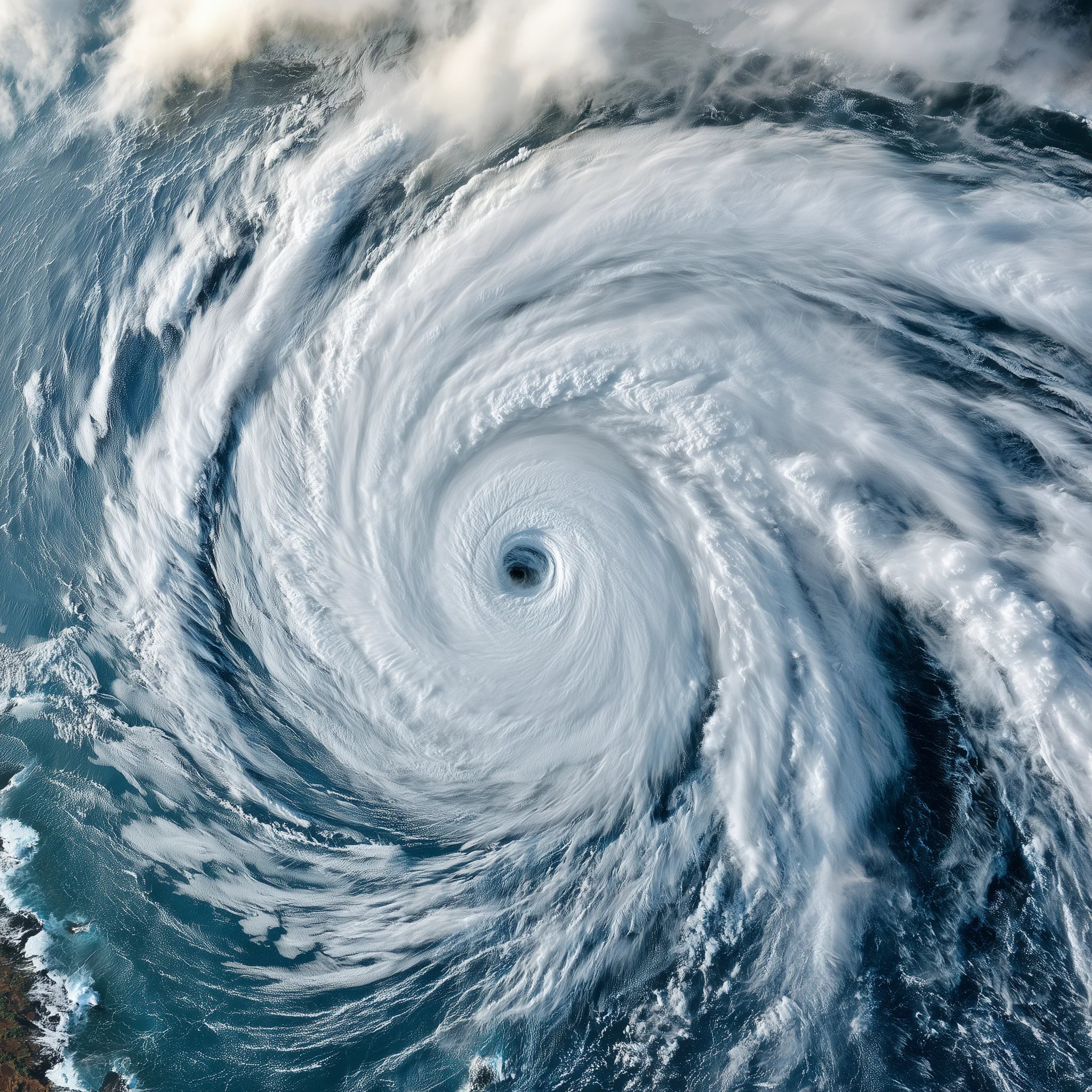
On Thursday afternoon, the system we flagged for you yesterday stopped being “Potential Tropical Cyclone One-C” and got a name: Tropical Storm Lala. By Friday morning, the National Hurricane Center had upgraded the forecast again. Lala is now expected to reach hurricane strength as it approaches the Big Island on Saturday, and Hawaii County is under a hurricane warning.
This is not a drill, and it is not a routine tropical event. A hurricane has never made landfall on the Big Island in recorded history. If Lala arrives as forecast, it would be the first - and forecasters are not ruling that out.
We covered the early stages of this system yesterday in Hawaii Tropical Storm 2026: What Travelers Need to Know. This post is the update: what changed, what the warnings actually mean, and what you should do this weekend.
What changed overnight
The upgrade chain happened fast:
- Thursday night - One-C strengthened into Tropical Storm Lala, roughly 775 miles east-southeast of Hilo
- Friday - The Central Pacific Hurricane Center issued a hurricane warning for Hawaii County (the Big Island)
- Friday - A tropical storm watch was extended to Maui County, including Maui, Lanai, Molokai, and Kahoolawe
- Forecast - Lala is expected to reach Category 1 hurricane strength as it approaches the Big Island early Saturday morning
The National Hurricane Center’s language is blunt. “Steady strengthening is forecast, and Lala could be near hurricane strength as it approaches the Big Island.” Life-threatening flooding is expected in the hardest-hit areas, with rainfall totals up to two feet possible in the worst spots.
That volume of water on Hawaii’s steep volcanic terrain is the real danger here. Hurricanes are wind events, but on the Big Island, the killer is almost always water - flash flooding in the gulches and low-lying coastal areas, and debris flows where recent lava flows have stripped the ground bare.
Why the Big Island is the focus
The hurricane warning is for Hawaii County specifically, which tells you where forecasters expect the worst conditions. Maui, Lanai, Molokai, and Kahoolawe are under the lighter tropical storm watch, with damaging winds and heavy rain possible but not hurricane-force conditions.
The significance of a Big Island landfall is hard to overstate. In the entire history of modern hurricane tracking, no hurricane has made landfall on the island of Hawaii. Storms have hit or grazed Oahu (Iniki in 1992 was the last hurricane landfall anywhere in the state, on Kauai), but the Big Island has always been spared. Its size and mountainous interior - Mauna Kea and Mauna Loa rise to nearly 14,000 feet - tend to shred incoming circulations. Forecasters say the terrain could weaken Lala before landfall, but the margin is thin, and the rainfall threat exists regardless of whether the center crosses the coast as a hurricane or a strong tropical storm.
Airlines are already responding
Flight disruption is not a maybe this weekend. American Airlines has issued travel waivers for Honolulu (HNL), Maui (OGG), Kona (KOA), and Kauai (LIH) covering travel through August 17. That waiver language is the airline’s way of saying: expect cancellations and rebooking chaos.
If you have a flight into or out of Hawaii this weekend, assume it will change. Check your airline’s waiver policy before calling - most waivers let you rebook without change fees, but the window is often tight and the waiver is the airline’s offer, not your contract. Get the rebooking done now, before the storm makes the decision for you.
What to do if you are in Hawaii this weekend
If you are on the Big Island, the message from emergency managers is straightforward:
- Know your evacuation zone. Hawaii County publishes zone maps online. If you are in a coastal or low-lying area, do not wait for a formal order to decide where you would go
- Do not drive through flooded roads. This is the single biggest killer in these events. Six inches of moving water can knock a person down; a foot can float a car
- Stock supplies now. Water, batteries, food that does not need cooking, phone power banks. Stores will be picked over by Saturday
- Follow official sources. The Central Pacific Hurricane Center, the National Weather Service Honolulu office, and Hawaii County Civil Defense - not social media
If you are on Maui, Lanai, Molokai, or Kahoolawe, treat the tropical storm watch seriously. Winds will be lower, but heavy rain and flash flooding are still expected, and the islands are vulnerable to exactly that.
What your travel insurance covers here
This is the situation where trip coverage earns its keep. If you are already in Hawaii, look for trip interruption coverage - it can reimburse unused portions of your trip, extra accommodation forced by the storm, and added transportation home if your original plans collapse. If you have not left yet, trip cancellation coverage may apply if your destination is under a hurricane warning and your travel provider is not refunding you.
Emergency medical evacuation coverage matters here too. If flooding or storm damage cuts off access to care, evacuation from the islands can be extremely expensive, and not all policies include it. Read the policy wording before you need it, not after.
For a full breakdown of what trip coverage does and does not do, see our guide to travel insurance for your trip.
The bottom line
Lala is forecast to arrive Saturday morning. The warnings are in place, the waivers are out, and the window for calm preparation is closing. If you are on the Big Island, prepare for a hurricane. If you are elsewhere in the chain, prepare for a serious tropical storm. If you are flying in or out, rebook early.
Sitata members: your app will push official advisories and disruption alerts for your itinerary as they are issued. Keep location services on, keep your emergency contact info current, and if you have questions about how your coverage responds to a natural disaster, contact your provider before the storm - not during it.
Stay safe, and monitor the Central Pacific Hurricane Center for the latest track.