Paris Protests 2026: Is It Safe to Travel to France Right Now?
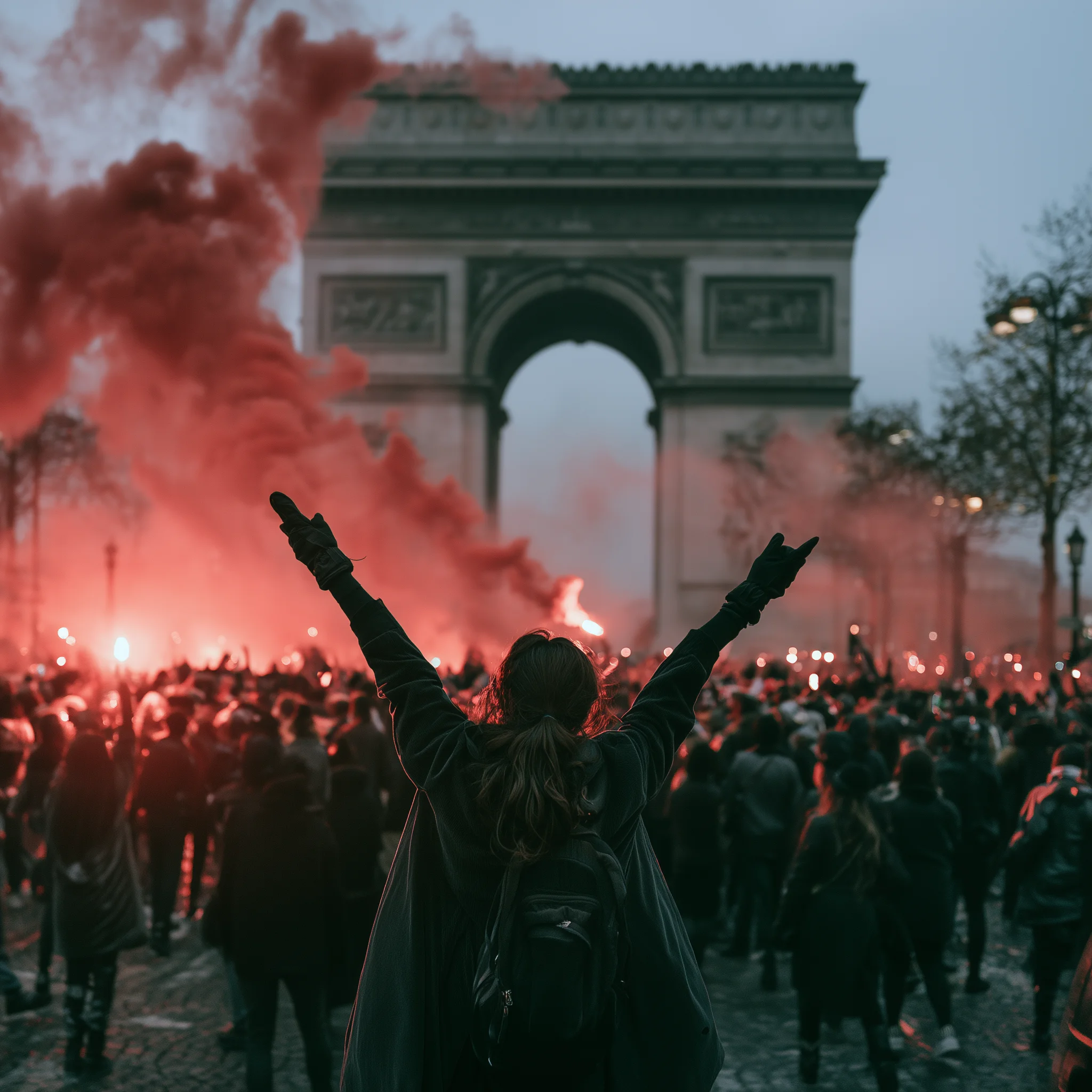
A crowd of half a million people took to the streets of France on October 17, 2026 - and by nightfall, the Limoges city hall was on fire.
What started as a student-led protest over crumbling school conditions - teacher shortages, leaking rooftops, underfunded classrooms in the Paris suburbs - had grown into something much larger. By the time demonstrations swept through dozens of cities, they had absorbed the frustrations of millions of French people grappling with stubbornly high energy costs, squeezed wages, and a government that many felt was simply not listening.
For travelers, the scenes that followed were striking: the Louvre entrance blocked by demonstrators, tear gas drifting across the boulevards of Paris, boutiques in Lyon with their windows smashed, and a city hall in flames in Limoges. If you have a trip to France booked - or you are already there right now - here is what you actually need to know.
What Has Happened So Far
The October 2026 protests in France grew out of a movement that began in early October when students in suburban Paris started demonstrating over deteriorating school conditions. Teacher shortages and inadequate facilities were the original trigger. But the grievances quickly expanded.
By October 17, the protests had become one of the largest demonstrations France has seen in years. France’s Interior Ministry reported roughly 550,000 people took part nationwide; the CGT union estimated the figure closer to 800,000. The vast majority were peaceful, but a violent fringe caused serious damage across multiple cities that weekend, according to Reuters.
Key incidents confirmed in the first weekend:
- Limoges: City hall set ablaze
- Marseille: City hall broken into and defaced with anarchic graffiti
- Lyon: The city’s tourist office torched; luxury boutiques looted
- Paris: Attempted break-in at Galeries Lafayette; banks and phone shops looted; tear gas deployed on Place de la Republique
- Louvre: Demonstrators blocked the entrance, forcing a temporary closure
French PM Sebastien Lecornu issued partial curfews for major cities including Paris, Bordeaux, and Nice on October 19. Around 400 people were arrested in the wake of that first weekend’s violence.
A second wave followed on October 24 and 25. France’s Interior Ministry counted around 410,000 protesters. While less destructive than the first weekend - French authorities had significantly stepped up security - clashes still flared in Marseille, Lyon, Bordeaux, Grenoble, Clermont-Ferrand, Lille, Nantes, Nice, and Rennes. Riot police used tear gas and water cannon in Paris, and looters raided jewelry shops in Marseille, according to Reuters.
As of October 26, protests are ongoing. Lecornu has vowed the government will not be “intimidated by violence.” President Macron promised to pursue those responsible for property destruction.
The Risk for Travelers Right Now
France is not in a state of collapse. The vast majority of the country - including most tourist areas - is functioning normally. Hotels, restaurants, trains, and international airports continue to operate without interruption.
That said, the risk is real in specific places and at specific times, and it is worth understanding rather than ignoring.
Situations carrying the most risk:
- Being caught near a demonstration that turns violent - protests have moved quickly from peaceful marching to confrontation
- Moving through city centers on Saturday afternoons, when the worst violence has occurred
- Using the Paris Metro and RER during major protest days, when crowding increases pickpocket risk and stations sometimes close at short notice
- Visiting famous landmarks near protest routes - the Louvre closure was a direct consequence of the demonstrations
Lower-risk situations:
- Day trips to rural France, Alsace, Burgundy wine country, or the Loire Valley
- Holidays in Brittany, Normandy, or the French Alps
- Restaurants, smaller museums, and attractions not in the immediate path of march routes
The UK’s Foreign, Commonwealth and Development Office (FCDO) advises that demonstrations in France “can take place with little or no warning, particularly in cities,” and recommends travelers follow the advice of local police and authorities. The page was updated this week.
Which Cities Are Affected
Confirmed unrest has hit Paris, Marseille, Lyon, Bordeaux, Limoges, Nice, Grenoble, Clermont-Ferrand, Lille, Nantes, Rennes, and smaller cities over the two protest weekends so far.
Paris has attracted the most international coverage, but the worst property destruction actually occurred in Lyon and Limoges. In Paris, protests have largely followed predictable corridors - Place de la Republique, Boulevard Voltaire, Bastille - making them possible to avoid with a bit of planning.
Marseille is worth particular attention if you are heading there for a cruise embarkation or transiting through Marseille Provence Airport. Violent incidents on both weekends concentrated in the city center.
Destinations largely unaffected so far include Strasbourg, Colmar, Annecy, the Dordogne, the Loire Valley, the French Riviera outside Nice city center, and most ski resort towns. If your itinerary keeps you away from the main protest cities, the impact on your trip could be minimal.
What to Do If You Are Already in France
If your trip overlaps with protest activity, these practical steps can keep you on the front foot.
Check protest schedules before heading out. French trade unions typically announce march routes and start times in advance. The CGT and CFDT union websites list planned demonstrations. Local outlets including Le Monde, Le Figaro, and BFM TV report on routes and timing as they become known.
Avoid known protest corridors on Saturdays. The worst violence in Paris has concentrated around Bastille, Republique, and Oberkampf - all popular areas with visitors. Consider timing excursions to these neighborhoods for early mornings or choosing different areas on protest days.
Download a travel safety app before you leave. Sitata’s app sends real-time alerts when protests, transport disruptions, or safety incidents are reported near your location. When things develop quickly - and they have in France over the past two weekends - knowing before the situation reaches you makes a real difference.
Keep copies of your key documents. If you lose your passport during chaotic circumstances, having a photo stored on your phone - and backed up to cloud storage - speeds up consular assistance significantly.
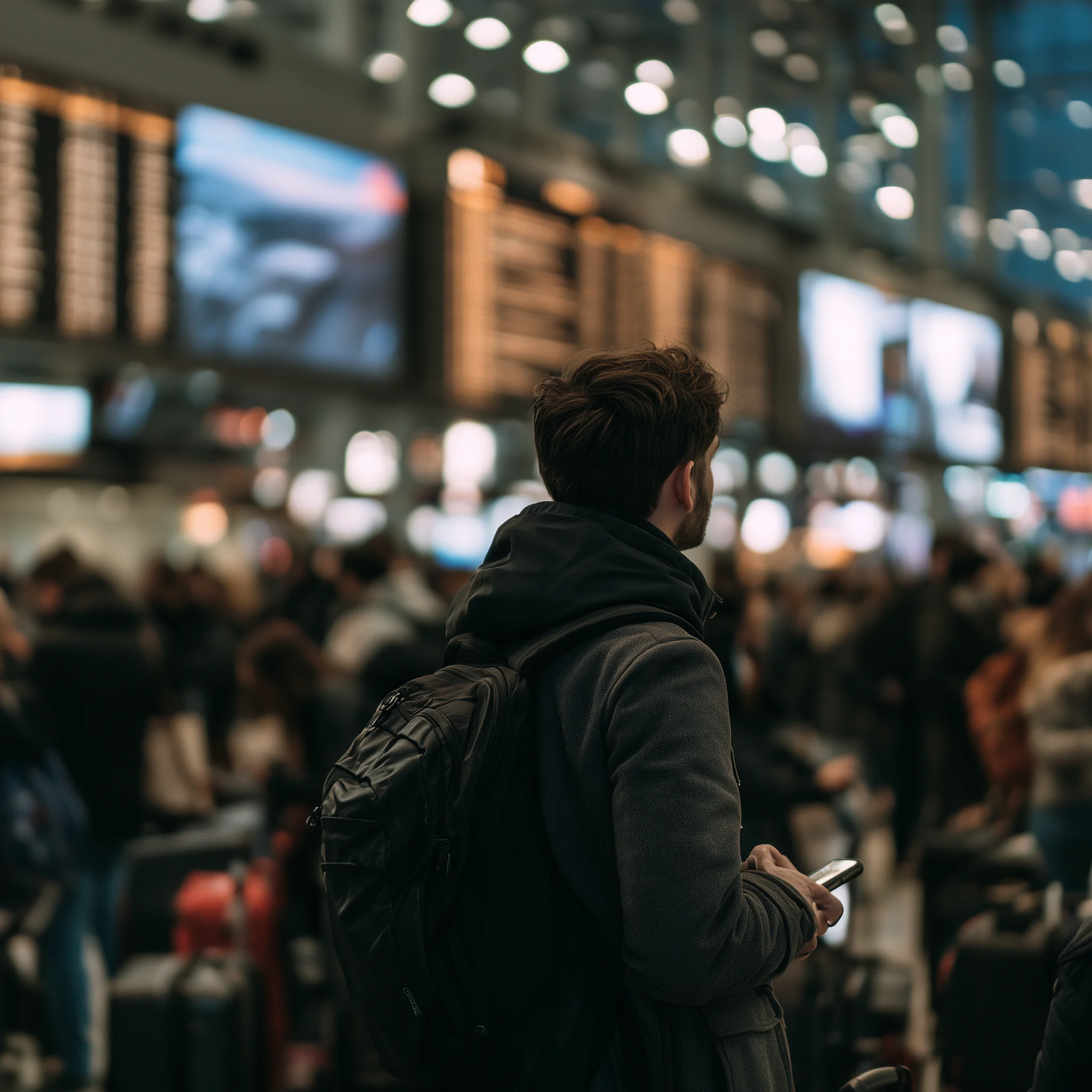
Have a transport backup plan. Metro stations in affected areas close with little notice during active clashes. Know an alternative walking route to your hotel, and keep a rideshare app installed with a payment method ready.
Give large crowds space you did not intend to join. Even peaceful demonstrations can shift quickly. If you encounter a large gathering and do not know its status, treat it the same way you would any tightly packed crowd and create distance.
Can You Claim on Travel Insurance?
This is where many travelers get caught out, and the answer depends on when you bought your policy and precisely what it covers.
If you purchased travel insurance before the protests started and your travel plans are directly disrupted - flights cancelled, hotel closes because of curfew, or your tour operator cancels - you have reasonable grounds for a claim. Travel insurance typically covers unforeseen events that disrupt confirmed travel plans.
If you are already in France and the situation escalates to the point where an official government advisory urges citizens to leave or avoid specific areas, trip interruption coverage may apply.
What standard travel insurance generally does not cover:
- Cancelling “just in case” when official guidance still says travel is feasible
- Changes of mind driven by media coverage, without a direct impact on your plans
- Losses from looting or civil unrest that are specifically excluded from your policy terms
The situation in France as of late October 2026 has not triggered a formal “do not travel” advisory from either the FCDO or the US State Department. That means cancellation claims based on general unrest alone are unlikely to succeed. Check your policy’s specific language around civil unrest, disruption, and government advisory thresholds - that language matters.
Sitata’s travel insurance plans include trip interruption and disruption coverage, with real-time alerts to help you track how advisories are changing around your destination. If your operator cancels or flights are affected by protest-related disruption, you will know as it happens.
What to Watch in the Coming Days
The next few days could shape how this unfolds. French protest movements have historically either escalated over successive weekends or eased quickly when the government makes concessions.
Monitor these developments:
- Any advisory level change from the FCDO, US State Department, or your home government - an upgrade to “Reconsider Travel” would significantly change the insurance picture
- Union announcements of further national strike days, which can shut down rail networks and public transport
- A government budget announcement or concession on cost-of-living measures, which could reduce the pressure driving demonstrations
- Extension of curfew orders to additional cities beyond Paris, Bordeaux, and Nice
A Level 3 advisory (“Reconsider Travel”) from the US State Department, or equivalent escalation from the FCDO, would change what is claimable under most travel policies.
The Bigger Picture
France has been through serious protest cycles before. The 2018-2019 Gilets Jaunes movement disrupted Paris on and off for 18 months. The 2023 pension protests led to weeks of demonstrations across the country. In both cases, France remained broadly open to visitors, though specific areas and specific weekends required real attention.
The October 2026 unrest carries more intensity than either of those cycles in its opening two weeks - the fires, the curfews, and the volume of arrests mark it as more volatile. But “more volatile than usual for France” still means a functioning country with well-staffed airports, effective emergency services, and active consular support for foreign nationals.
The question most travelers are asking - should I still go? - almost always comes down to where in France, when you are traveling, and how much disruption tolerance you carry. A wine country trip to Burgundy the week after protests requires different awareness than spending three days in the Marais in Paris. The latter is manageable with planning. The former barely registers.
Track official advisories. Build flexibility into your plans. And review exactly what your travel insurance policy covers before you get on the plane - not when you are standing outside a closed Louvre wondering if you have a claim.
Sitata tracks travel advisories and real-time disruption alerts across more than 200 countries. Download the app to stay ahead of events like these before and during your trip.